
From 3-Axis to 7-Axis Machining: How Multi-Axis CNC Improves Rotary Tool Precision
/The 2 a.m. Pull: When the Tool Is the Real Bottleneck
It is 2 a.m. on a remote HDD site, and the crew has just pulled a brand-new PDC bit after only 300 metres. The shoulders are worn unevenly, the gauge is undersized and the vibration is severe enough that the operator fears for the BHA. Over the radio comes the frustrating call: "This is the third bit this week. Something is wrong."
Often, the ground isn't to blame—the tool is. When a bit body is machined on a traditional 3-axis mill, multiple setups and fixture changes introduce tolerance stack-up. Small deviations in flute geometry, cutter pocket position, and concentricity quickly translate into vibration, uneven wear, and premature trips. The cost lands squarely on the driller through lost meters, extra rig time, and repeated replacements.
How 5-Axis and 7-Axis CNC Changes the Game
At Rockpecker, precision starts with the machine tool itself. By moving from conventional 3-axis machining to 5-axis and 7-axis CNC centres, we cut out the compromises that come with moving parts across multiple setups.
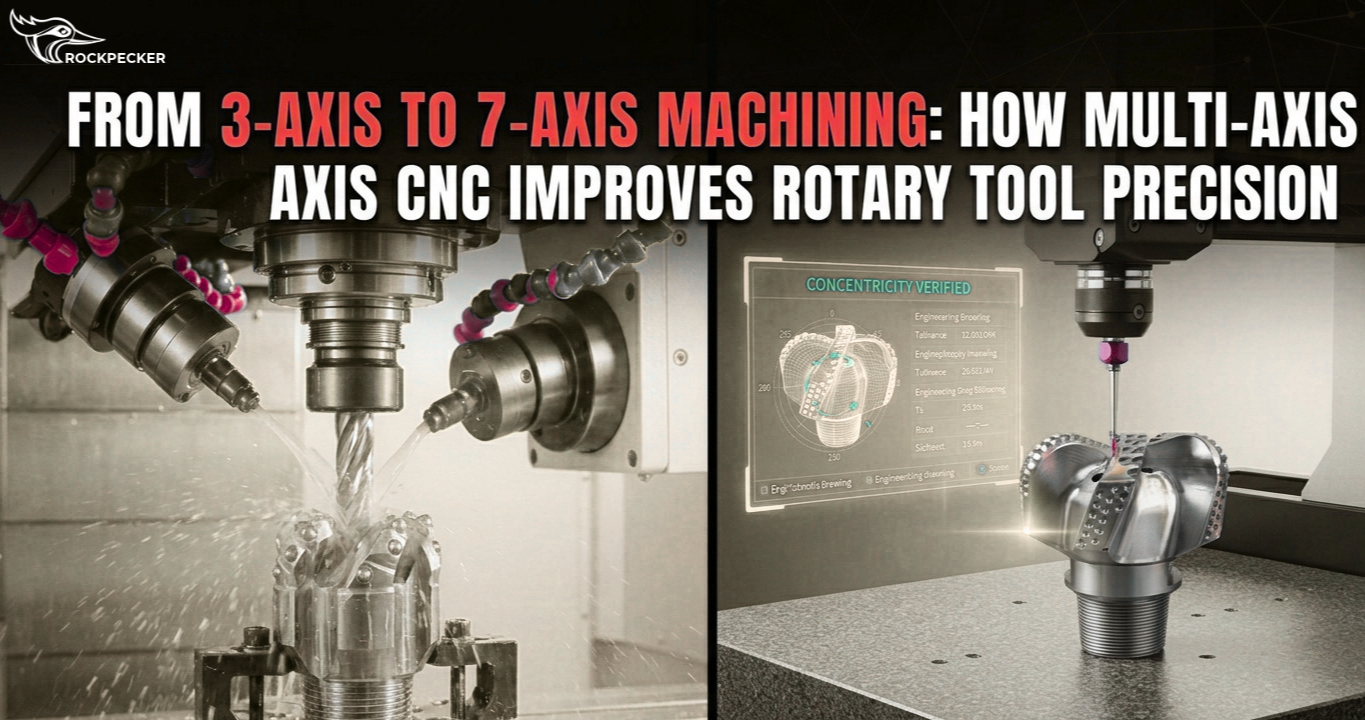
Figure 1:From 3-Axis to 7-Axis Machining: How Multi-Axis CNC Improves Rotary Tool PrecisioN
A 7-axis machine can orient the cutting tool at virtually any angle, allowing complex flute profiles, cutter pockets, and internal channels to be machined in a single continuous operation. That single-setup approach directly elevates three performance essentials in the field:
- Built-In Concentricity: Misalignment between the threaded connection and the bit body causes wobble at high RPM, punishing cutters and stressing the BHA. Because a 7-axis setup references the thread, body, and cutter pockets from the same datum in one pass, alignment is engineered into the part rather than stacked up across fixtures.
- Cleaner Surface Finishes: Rough or inconsistent flutes create drag and slow down cuttings evacuation, driving up heat and wear. Multi-axis control lets us hold tighter tolerances on flute geometry and surface finish, so the tool runs cooler and evacuates cuttings more smoothly.
- True Repeatability: A great tool should never be a one-off. Controlled multi-axis machining—backed by 7-axis 3D probing and CMM inspection—ensures every bit and reamer conforms to drawing specifications part after part. When the tenth bit performs like the first, drillers get consistent runs without early pulls.
Quick-Reader Summary: 3-Axis vs. 5-Axis / 7-Axis CNC Machining
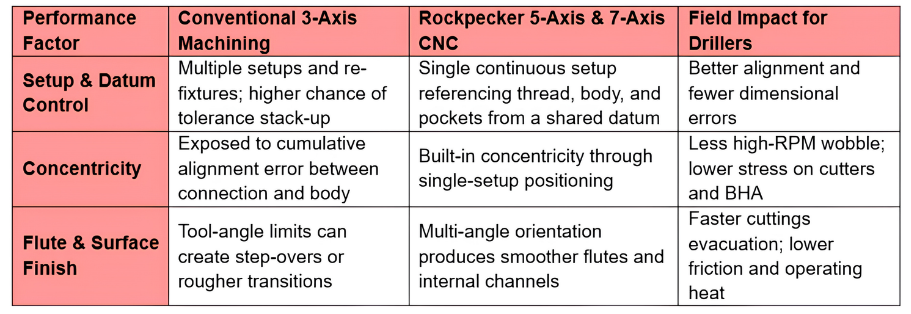
fIGURE 2: Quick-Reader Summary: 3-Axis vs. 5-Axis / 7-Axis CNC Machining
Fewer Surprises When It Matters Most
If your crew is dealing with uneven wear, vibration, or bits pulling short of target depth, tolerance stack-up in the tool may be holding you back.
Rockpecker's multi-axis manufacturing is built to strip out that variability. We don't just supply bits and reamers—we build tools you can count on to run as designed, helping you get more meters per bit and far fewer 2 a.m. surprises.
Planning an upcoming run or troubleshooting tough ground? Reach out to our engineering team to see how precision multi-axis machining can support your next project.

